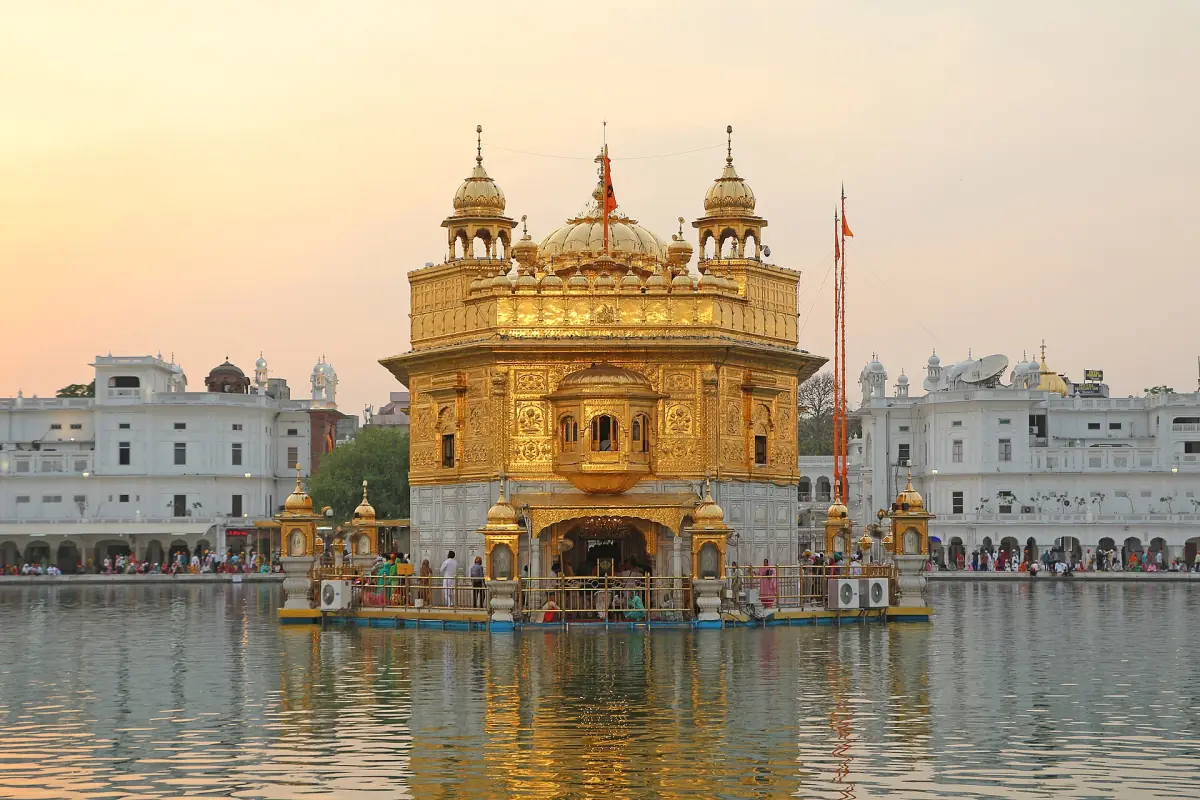
Amritsar weather and the best time to visit
Amritsar has hot summers, a wet peak in July and August and cold winter mornings. The season you choose mostly changes how comfortable the visit is. Based on the long-term averages below, the mildest months run from November to March.
The figures are long-term monthly averages from the period 1951 to 1980. They show the pattern of the seasons, not a forecast for your dates. For guided options, see our page on Golden Temple tours.
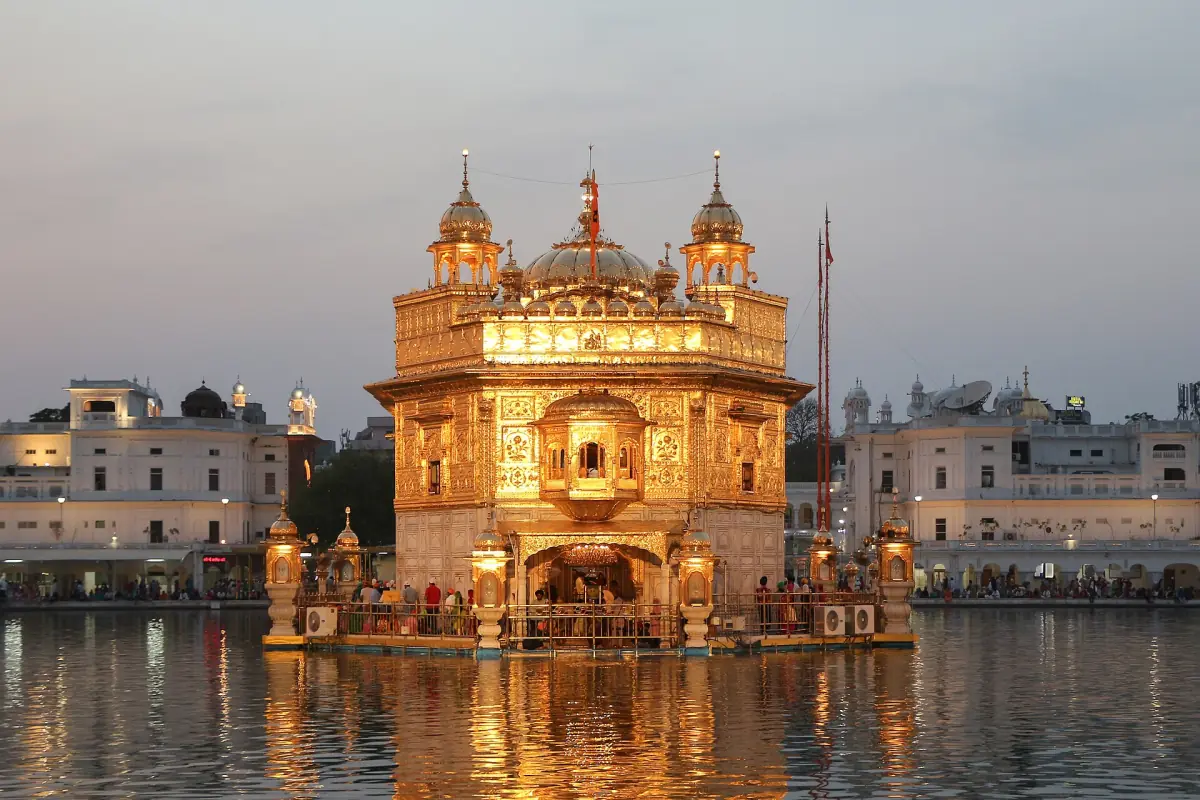
Our pick: a full day in any season
A full day with a private air-conditioned car, useful in the summer heat.
Hand-picked tours, booked through GetYourGuide. Prices are indicative starting prices in US dollars (as of October 2026). Tap a tour for live availability and the current price in your currency.
Amritsar tours and day trips
Guided visits and day trips in Amritsar for every season, with live prices and availability.
Amritsar weather by month
Average daily high and low, and average monthly rain, from the 1951 to 1980 period.
| Month | High °C | Low °C | Rain mm |
|---|---|---|---|
| January | 19.3 | 3.9 | 28.0 |
| February | 22.2 | 6.5 | 21.7 |
| March | 27.4 | 11.3 | 29.0 |
| April | 34.0 | 16.6 | 12.2 |
| May | 38.7 | 21.1 | 14.4 |
| June | 40.1 | 25.1 | 57.6 |
| July | 35.4 | 25.7 | 186.2 |
| August | 34.3 | 25.3 | 184.1 |
| September | 34.5 | 23.0 | 102.2 |
| October | 32.4 | 16.3 | 24.8 |
| November | 26.9 | 9.0 | 6.2 |
| December | 21.3 | 4.6 | 14.8 |
For most visitors, November to March is the most comfortable stretch, with the driest month in November. Choose April or October for a warmer visit with cooler nights, and expect heat from May to June.
Choosing your month
Pick by what matters most to you.
| If you want | Choose | Why |
|---|---|---|
| Mild days | November to March | Highs between 19.3 and 27.4 °C |
| The least rain | November | 6.2 mm on average |
| Warm days, cooler nights | April or October | Highs of 34.0 and 32.4 °C, lows of 16.6 and 16.3 °C |
| To avoid the heat | Skip May and June | Highs of 38.7 and 40.1 °C |
| To avoid the rain | Skip July and August | About 186 and 184 mm |
For most visitors, the simplest choice is November, with mild days and the least rain. If your dates are fixed in summer, visit in the early morning and in the evening, and keep the middle of the day for rest.
What each season means for a visit
Based on the monthly averages.
November to March: mild days, cold mornings
Days run from about 19 °C in January to about 27 °C in March. Nights and early mornings are cold, with lows between 4 and 11 °C. Bring a warm layer for early visits, and remember that you take your shoes off before you enter the temple.
April to June: hot
Average highs rise from 34.0 °C in April to 40.1 °C in June. Plan temple visits for early morning or the hours after dusk, and drink water regularly.
July to September: wet
July and August bring the most rain, with about 186 mm and 184 mm on average. September still sees about 102 mm. Expect humid, showery days and bring rain protection.
October: warm days, cooler nights
October averages 32.4 °C by day and 16.3 °C at night, with 24.8 mm of rain. It is a transition month, so check the forecast closer to your trip.
Winter fog
The long-term record shows an average of 3.2 foggy days in January and 4.0 in December. That tells you fog is a winter pattern. It does not tell you whether your own day will be foggy.
Fog is worth keeping in mind if you travel by train or plane in December and January. Leave a buffer in your plans, and check the current status of your service the day before.
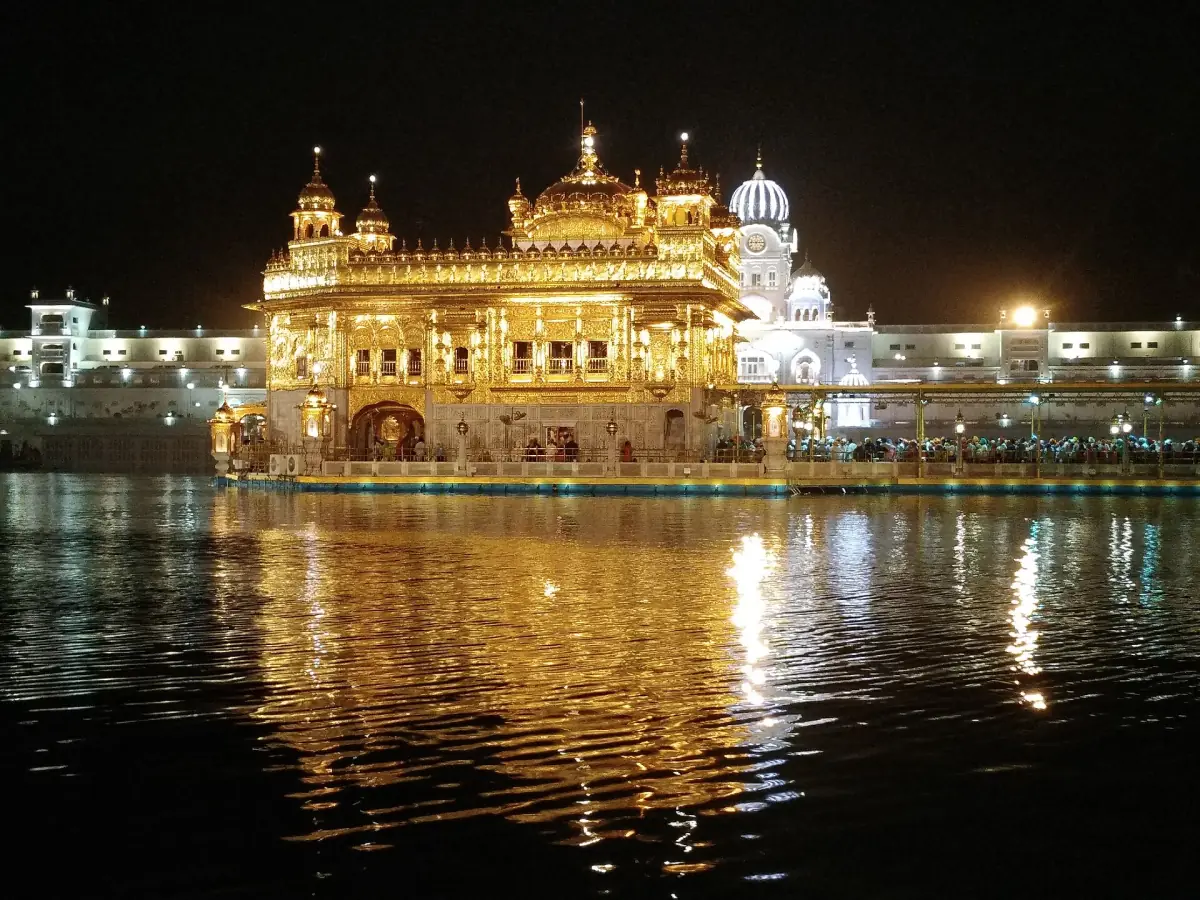
Festivals: Vaisakhi, Diwali and Gurpurab
Three dates shape many visits. They are public holiday dates in the Punjab:
- Vaisakhi: 14 April 2026 and 14 April 2027
- Diwali: 8 November 2026 and 29 October 2027
- Guru Nanak's birthday, marked as Gurpurab: 24 November 2026 and 14 November 2027
These are holiday dates, not event timetables. Festival days can bring larger gatherings and changed traffic, so check the schedule with the temple closer to your trip. Morning and evening ceremony times also shift with the season; the evening page has the details.
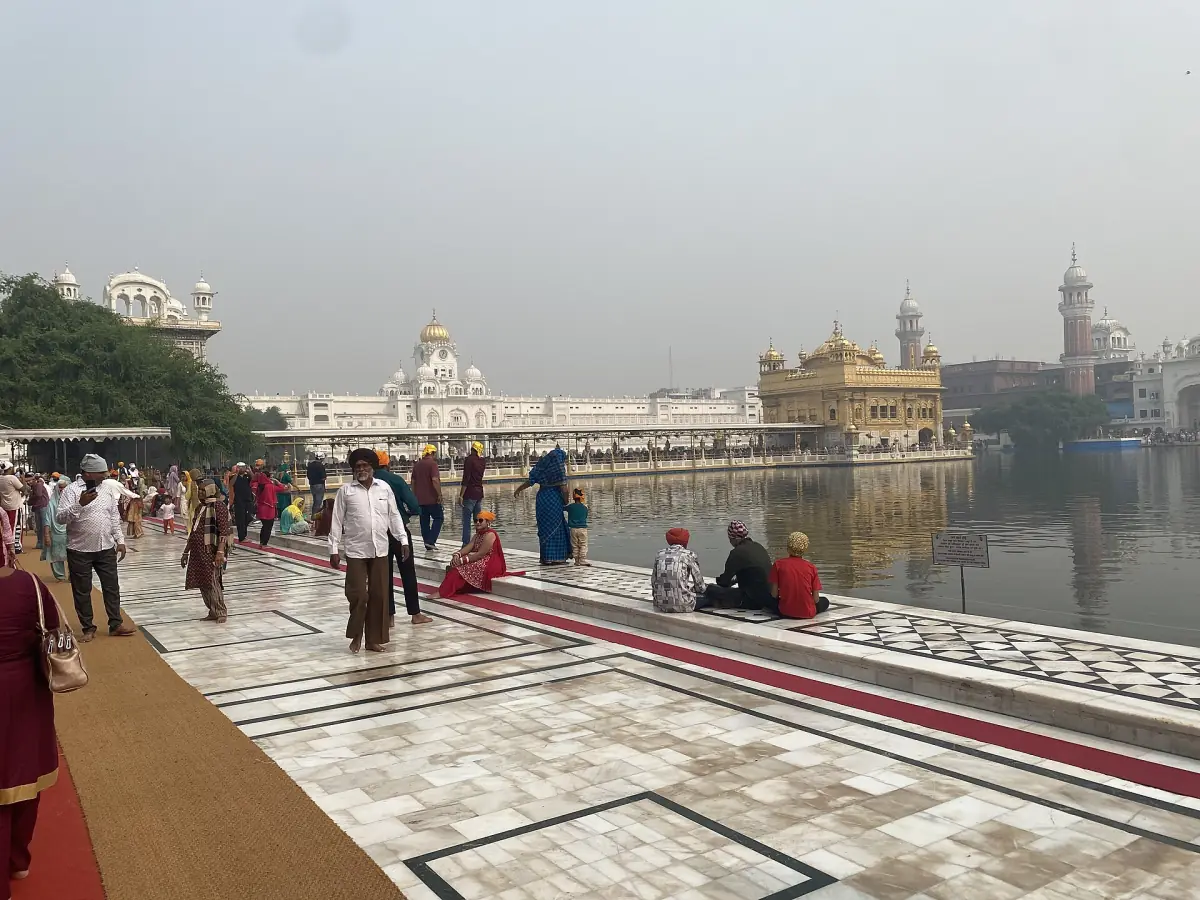
Plan the rest of your trip
More pages for the next step.
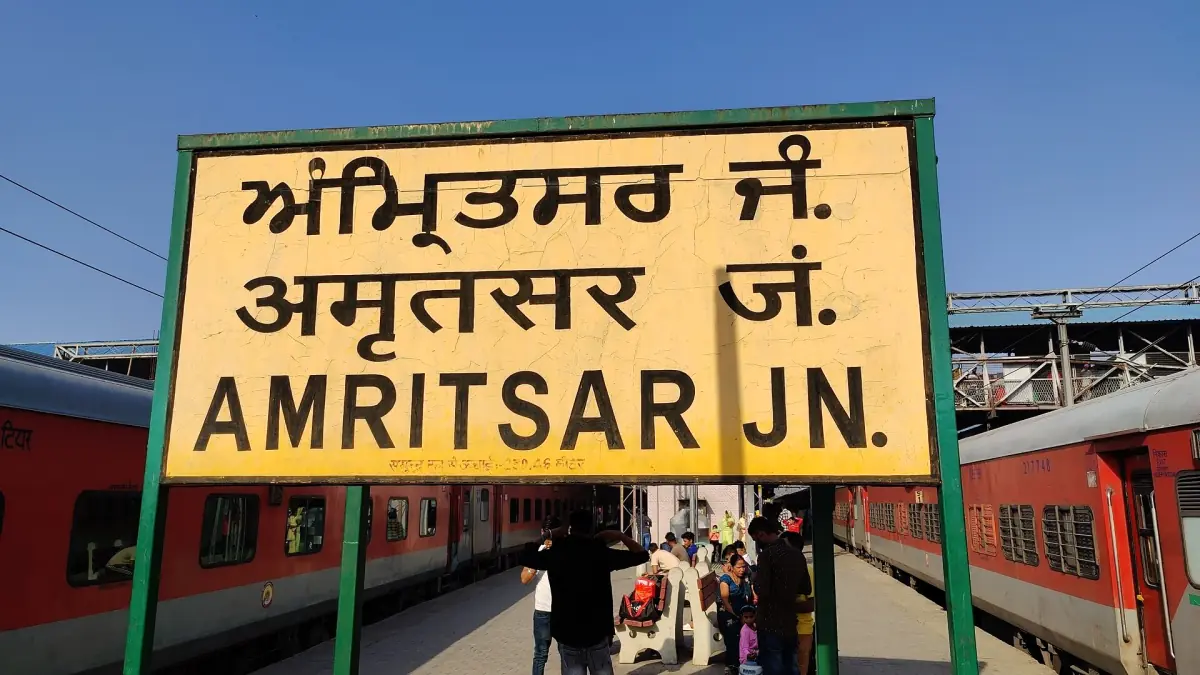
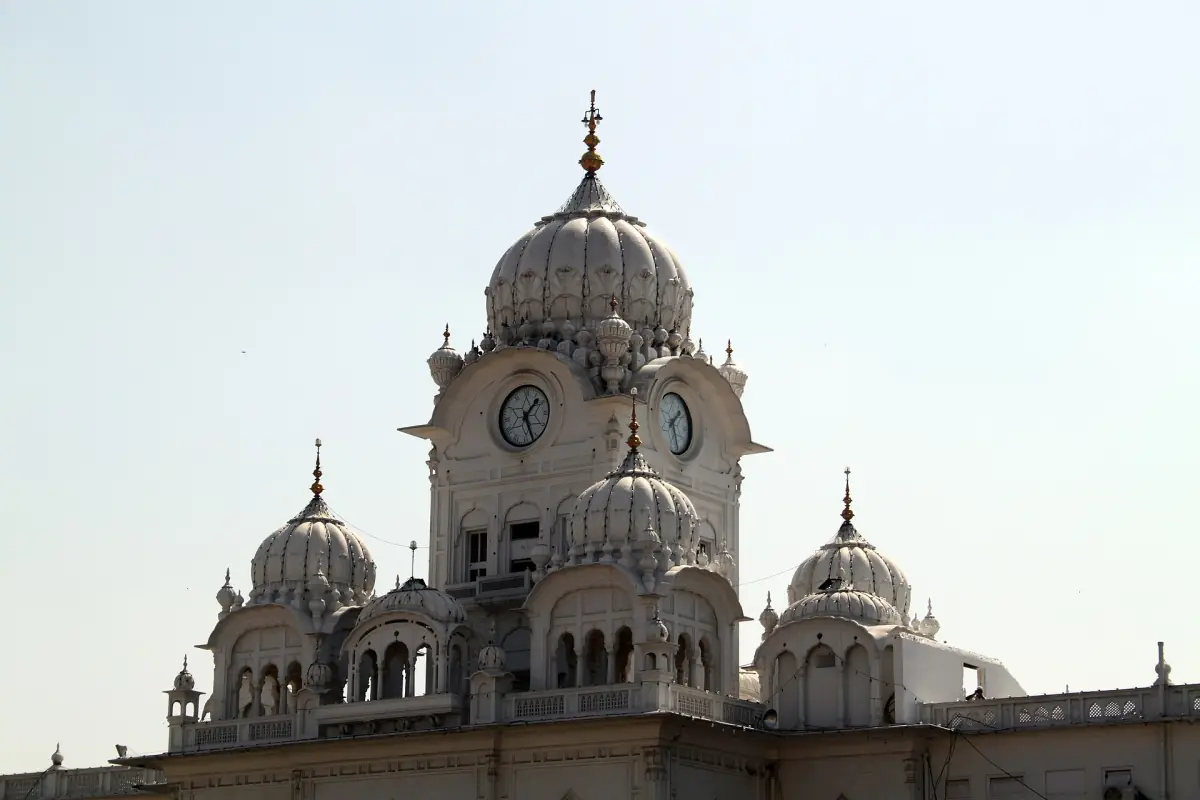
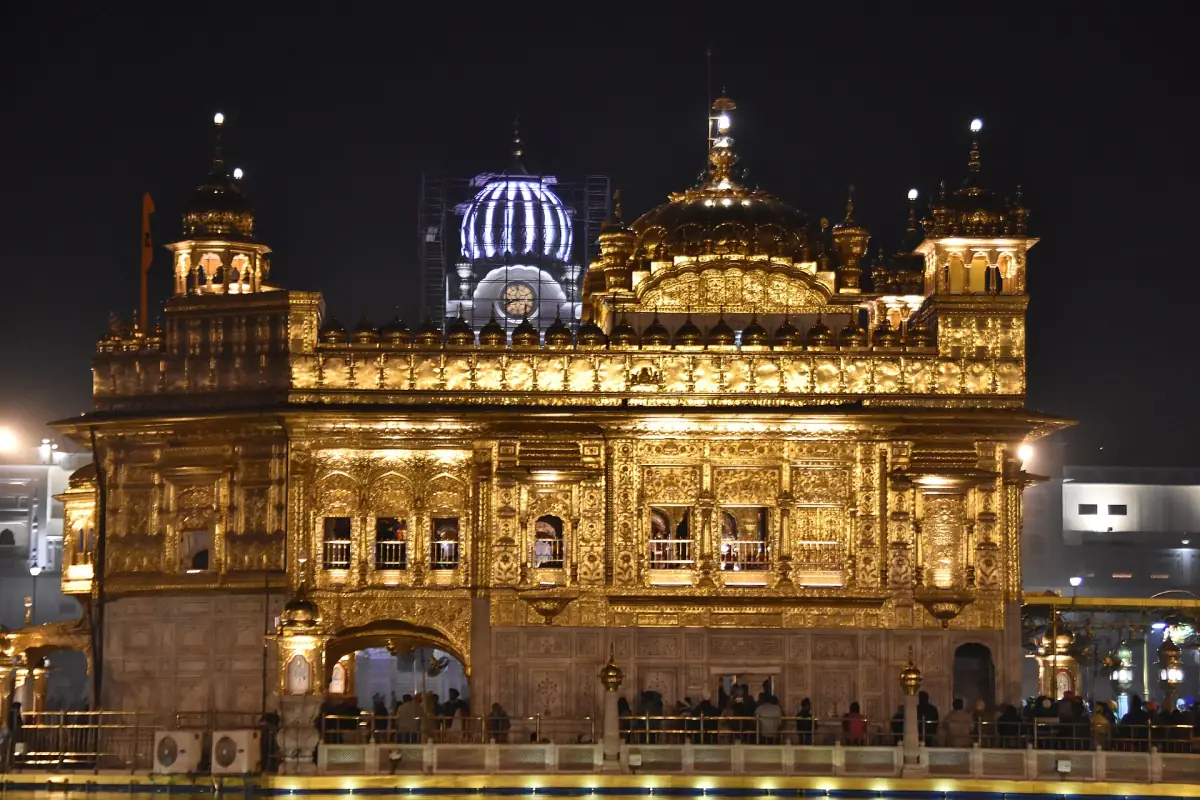
Best time to visit: frequently asked questions
What is the best time to visit Amritsar?
Based on the long-term averages, November to March has the mildest days. Winter mornings are cold, so bring a warm layer. April and October are warmer but still workable.
What is the hottest month in Amritsar?
June, with an average daily high of 40.1 °C in the 1951 to 1980 averages.
When does it rain in Amritsar?
Mostly in July and August, with about 186 mm and 184 mm on average, and again in September with about 102 mm.
Is there fog in winter?
The averages show 3.2 foggy days in January and 4.0 in December. Leave a buffer if you travel by train or plane then.
When are Diwali and Guru Nanak's birthday in 2026?
Diwali falls on 8 November 2026 and Guru Nanak's birthday on 24 November 2026. Vaisakhi was on 14 April 2026.
Is this the official Golden Temple website?
No. This is an independent travel guide. It is not run by the temple, the SGPC or Punjab Tourism, and it is not connected to any tour operator or hotel.